Impact Site Cytopsy
Lukas Prokop
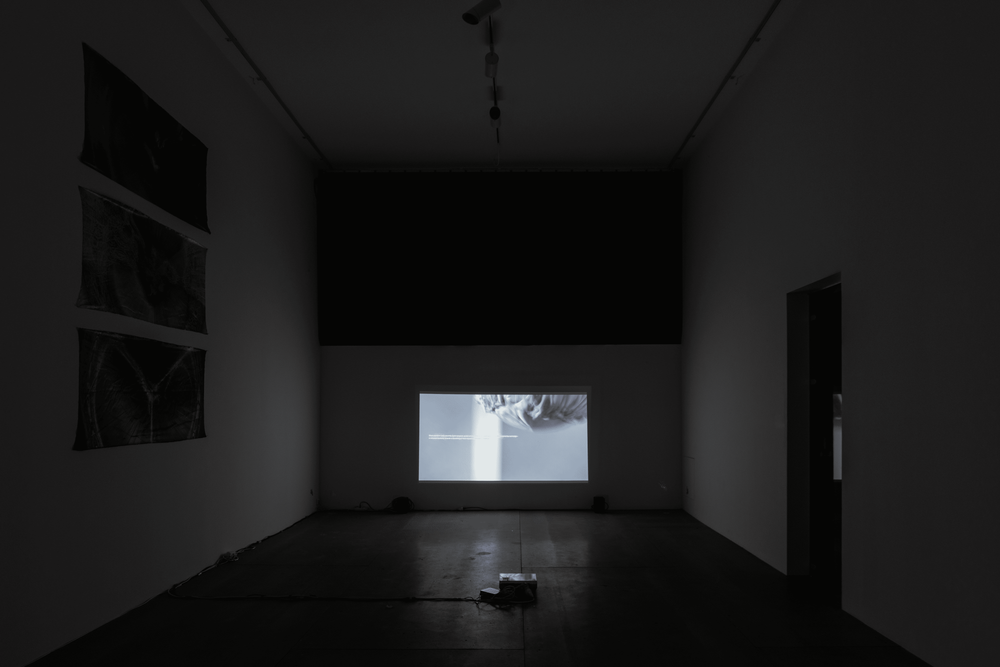
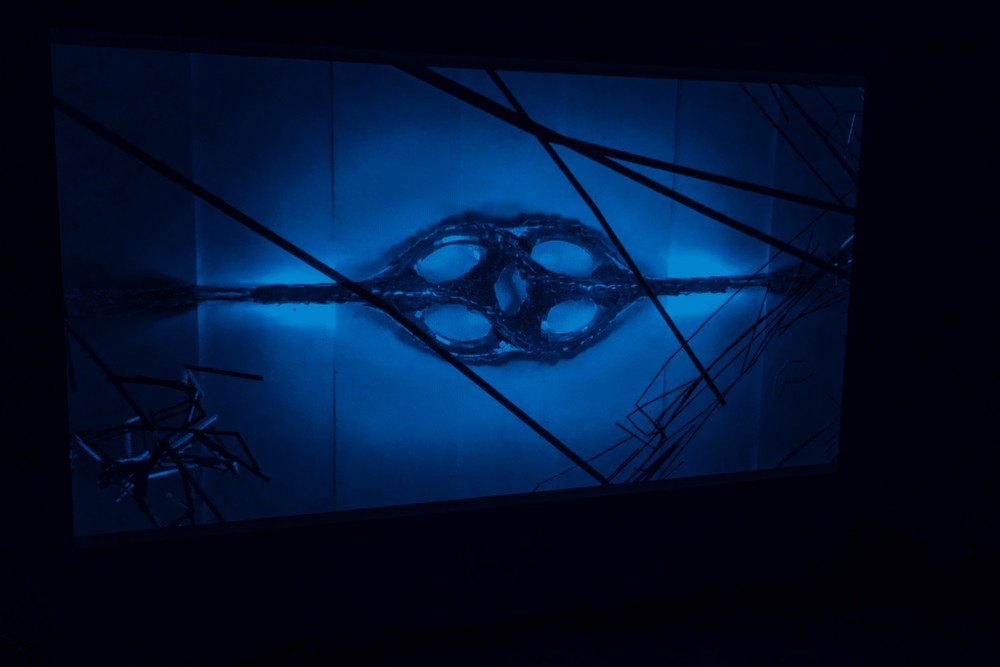
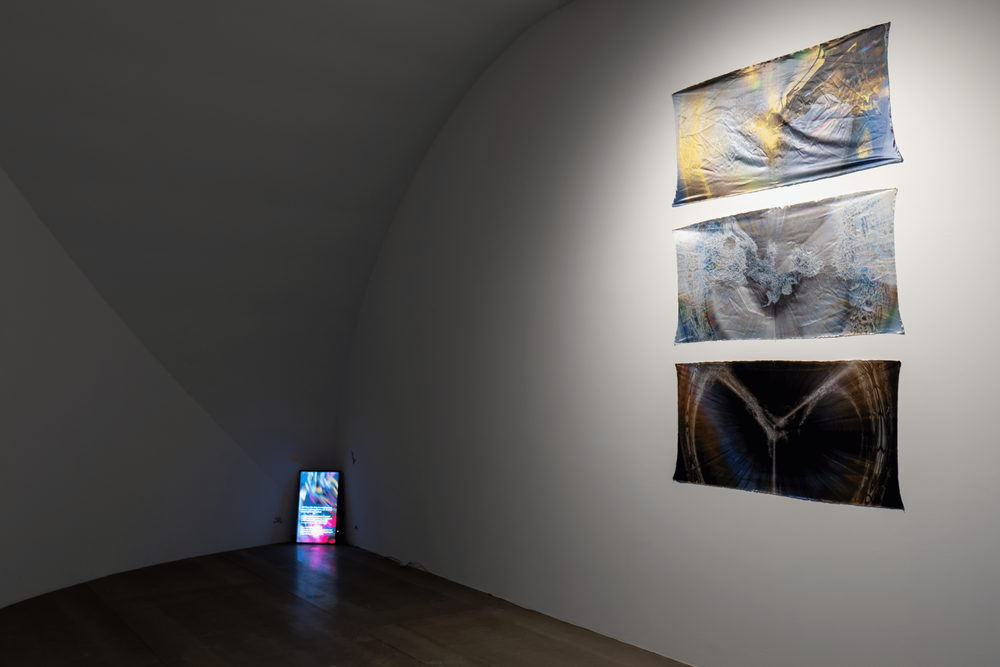
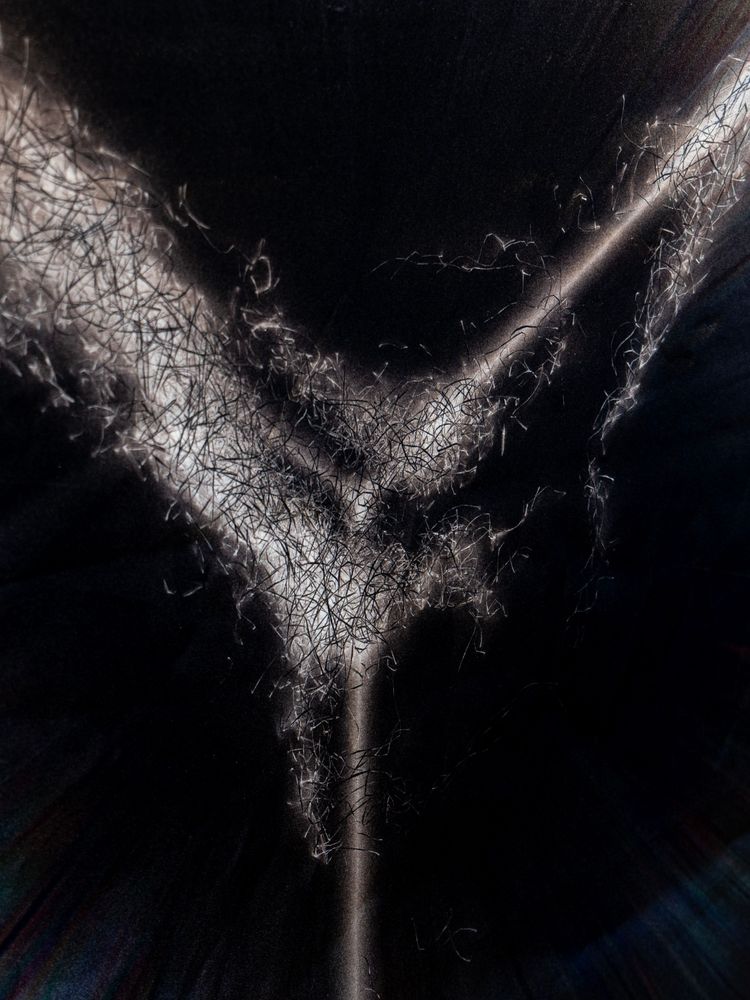
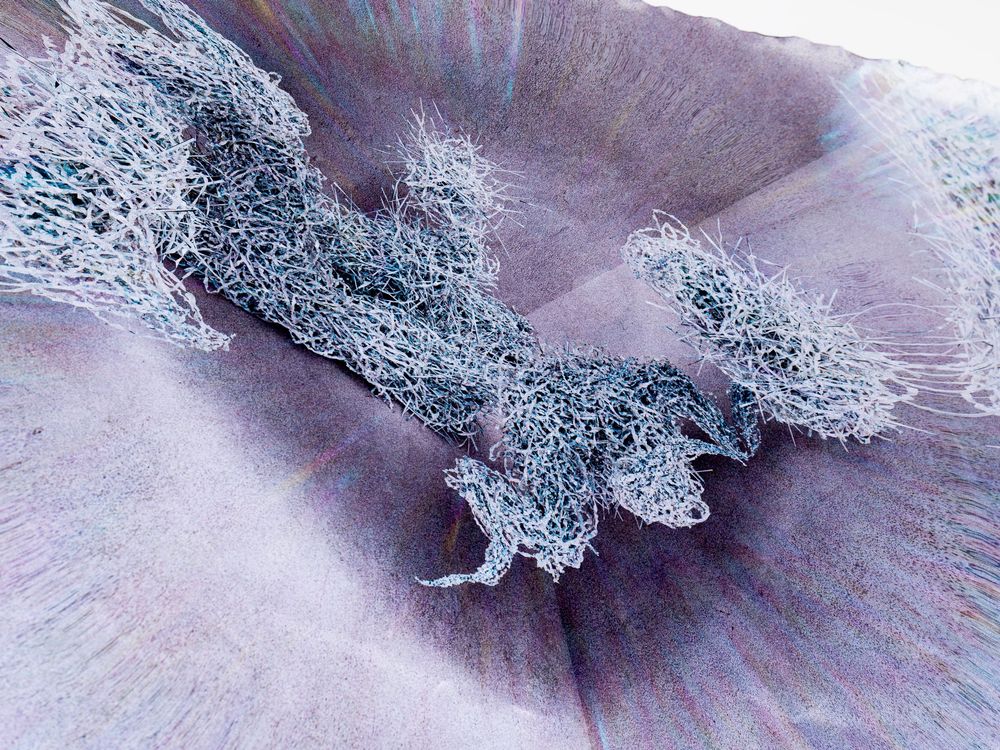
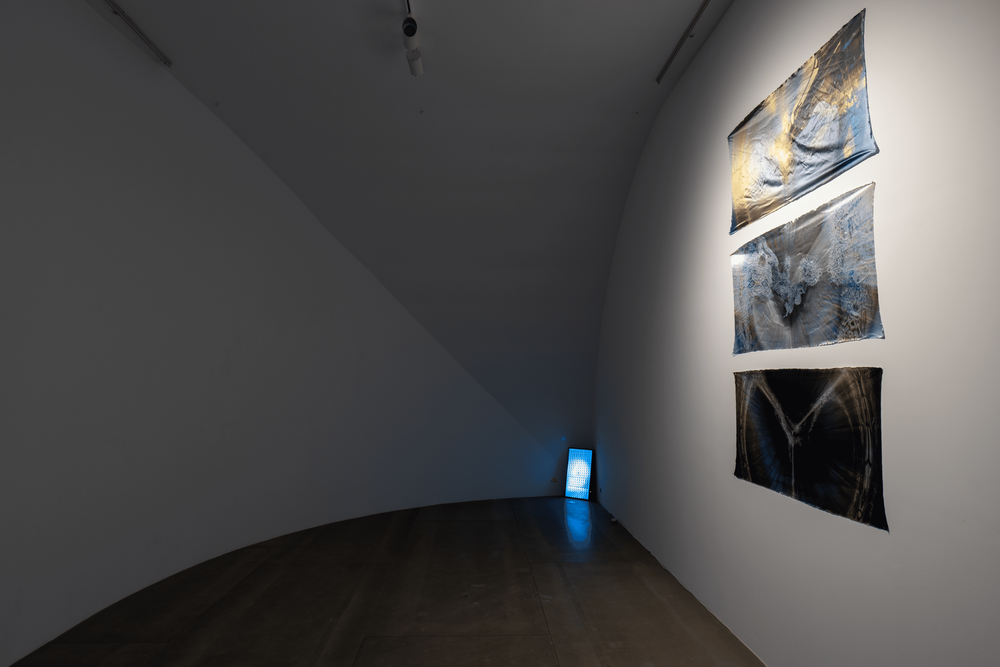
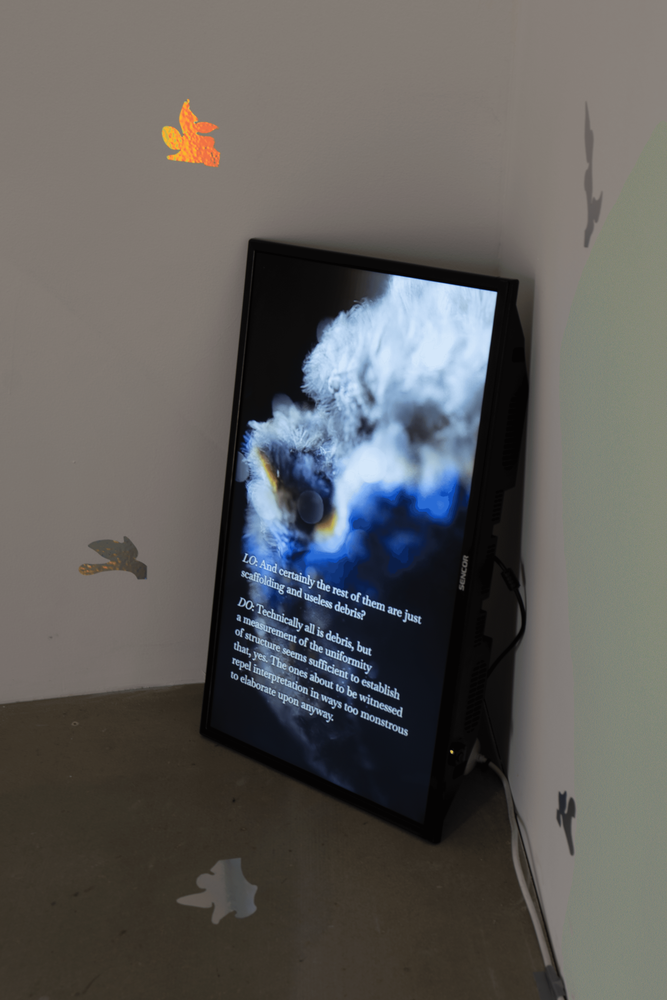
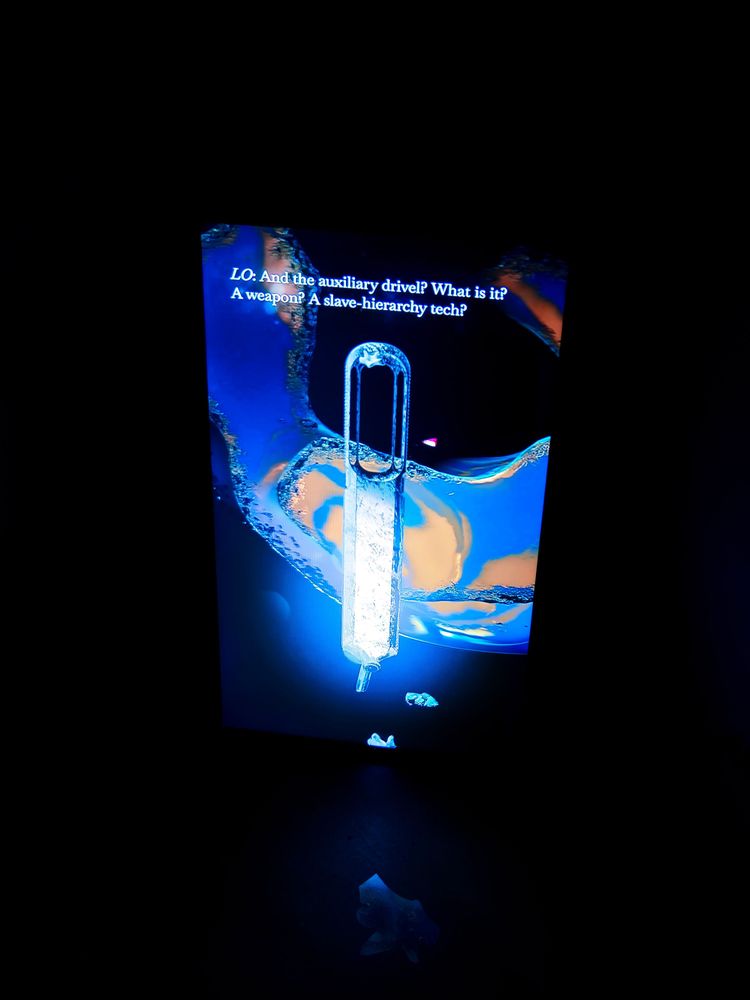
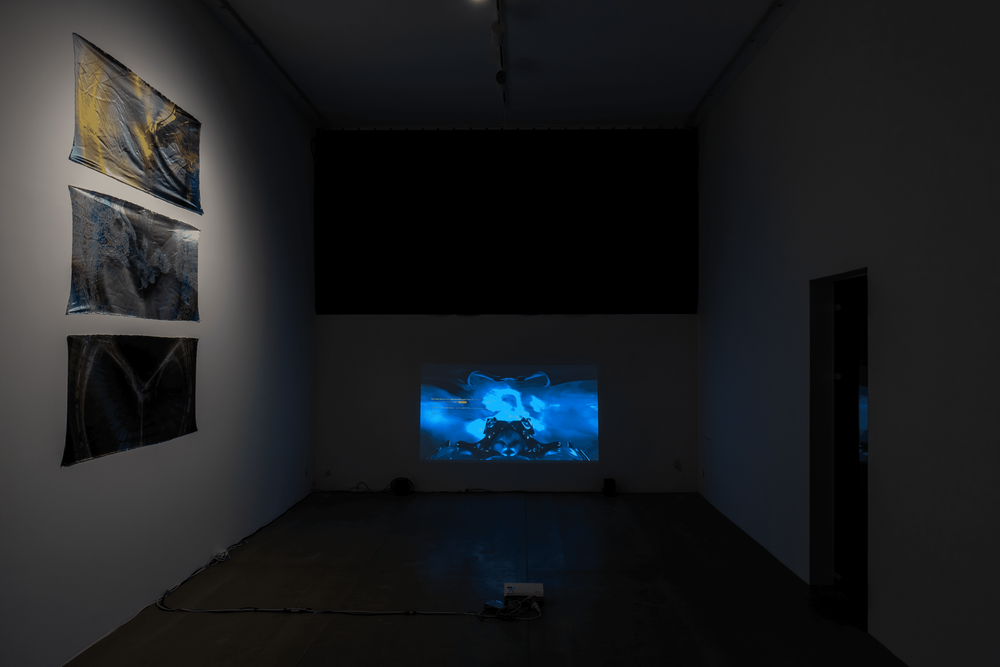
Lukáš Prokop’s exhibition includes two films, the central work being Concomitant Outgrowth Event. This film takes the viewer into a universe created entirely through computer graphics—a world almost devoid of the human element. This digital universe is created spontaneously, using networks of labyrinths and images generated by algorithms, becoming an autonomous organism that is constantly changing and evolving.
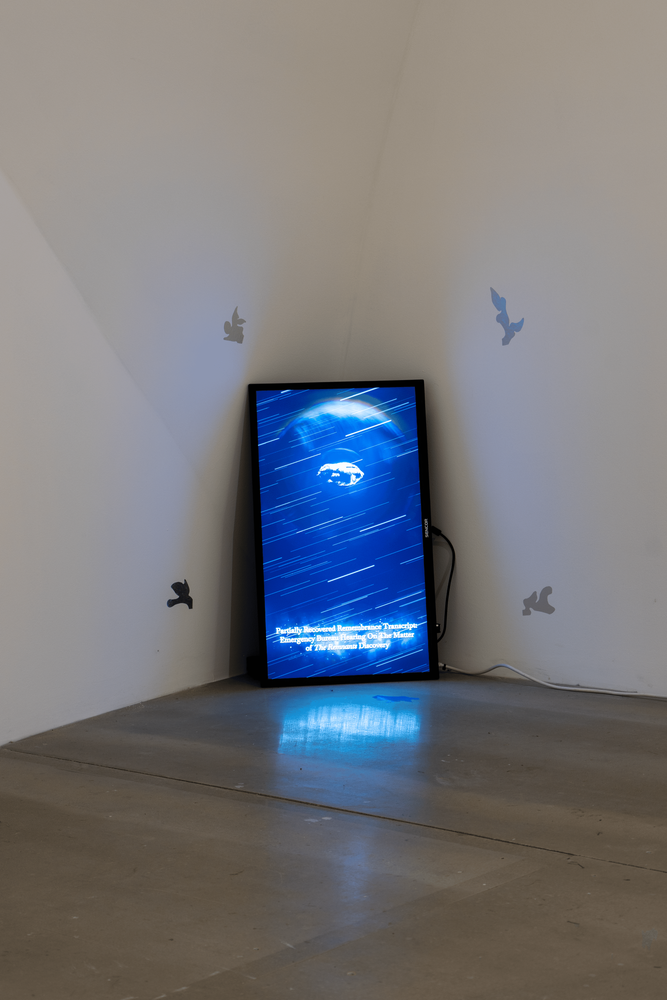
The second video in the Impact Site Cytopsy exhibition is a prequel to the Concomitant Outgrowth Event (COE), where the impact of a spaceship into a planet causes profound changes in space and time. While COE represents a sudden impact on reality, Impact Site Cytopsy focuses on exploring these consequences—how the contamination of space and perception of reality continues and deepens. Impact Site Cytopsy therefore analyzes how this event not only alters physical space but also how it distorts our perception and ability to understand the world, showing how the effects of the COE spread and change the structure of reality.
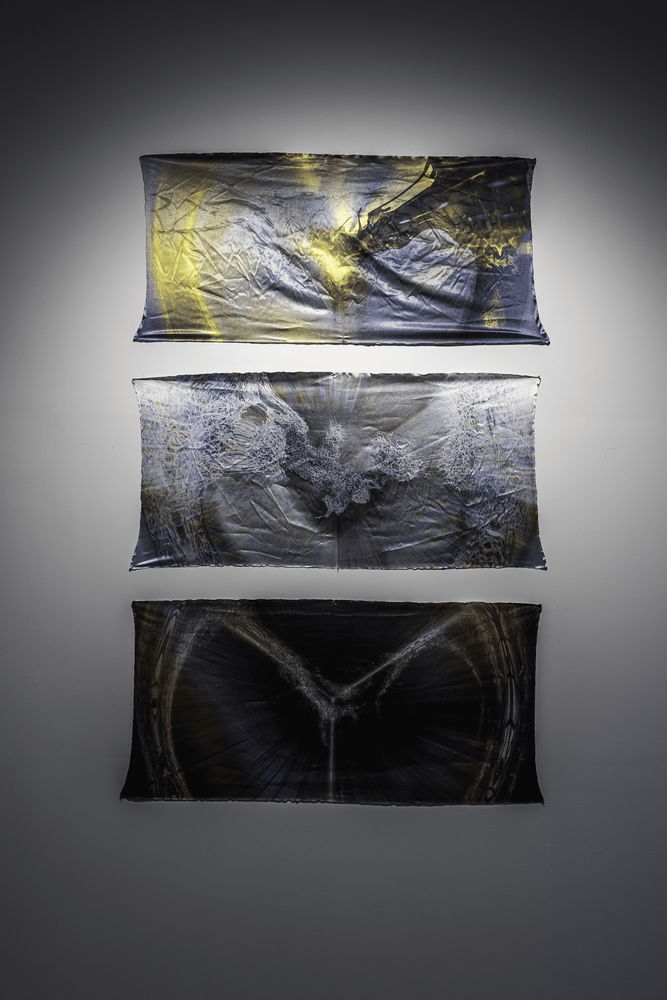
Prokop uses technological methods known from the production of Hollywood sci-fi blockbusters but completely departs from their traditional schemes. Instead of flashy glitz or superheroes, he brings a look at an auto-generative space where the main role is played not by humans but by processors and graphics cards. These “invisible movers and shakers” give rise to a digital mass that is constantly transforming and expanding, freeing itself from the need for human intervention or oversight.
Prokop’s cosmos can be understood as a metaphor for an alternative dimension, a futuristic reality, or a parallel world that is not burdened by human presence. Unlike mainstream CGI worlds that often emphasize anthropocentric narratives, this space focuses on the processes of creation itself—the constant rendering and shaping of the landscape as an autonomous phenomenon.
If we were to imagine a scenario where humans in our civilization became extinct. Huge server rooms and crypto mines beyond the Arctic Circle would become the autonomous “creators” and “maintainers” of this digital universe. Without humans, these technologies would continue to automatically generate data and digital material, shaping new digital worlds and ensuring the continued growth of this system. Artificial intelligence would play a major role in managing this process. AI would be able to self-adjust and improve algorithms to generate new digital structures. Server rooms would function as independent organisms, while crypto mines would form new blocks that would expand this endlessly evolving space, devoid of human presence but still controlled by highly intelligent and adaptive systems…
Prokop’s practice also raises philosophical questions about the nature of perception and existence. What does a world whose only inhabitants and agents are technology look like? Is this digital universe a mirror of our present or a hint of a possible future where the human role is merely a footprint in an ever-expanding digital landscape?
Curator of the exhibition: Adam Smrekovský