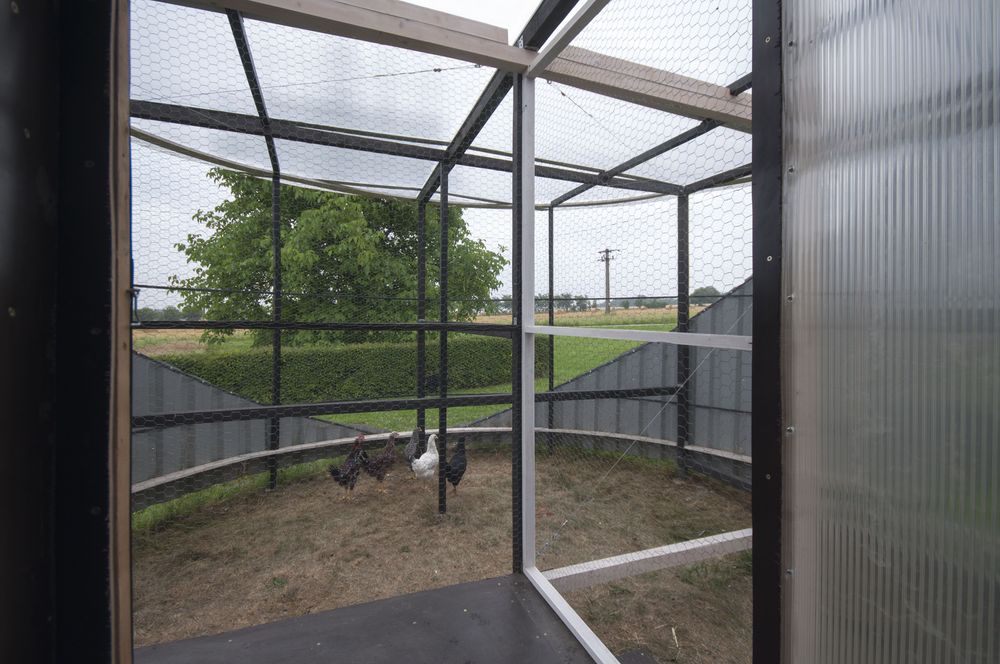
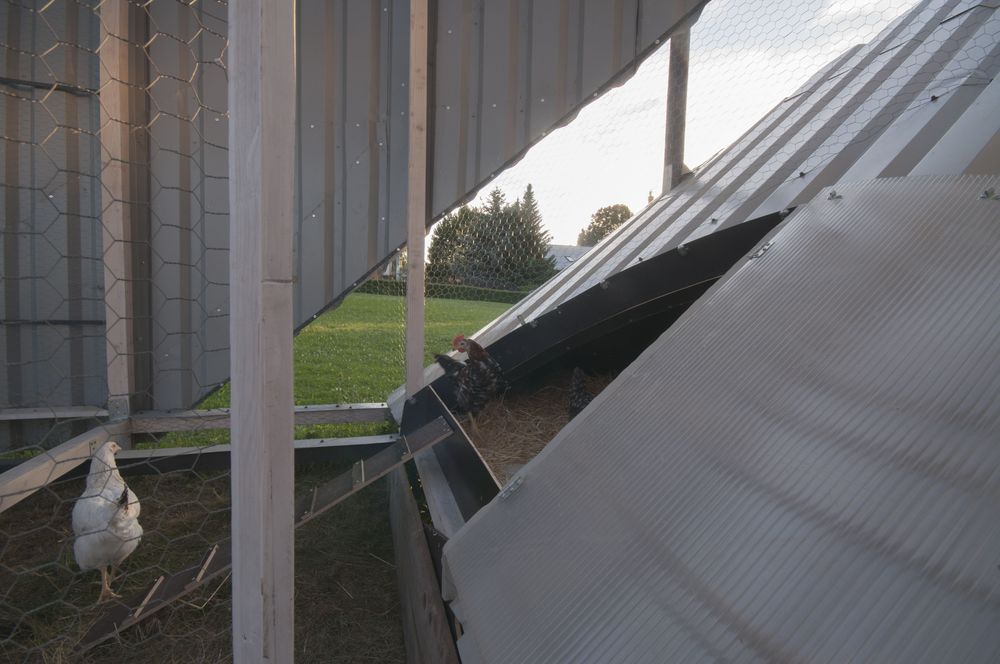
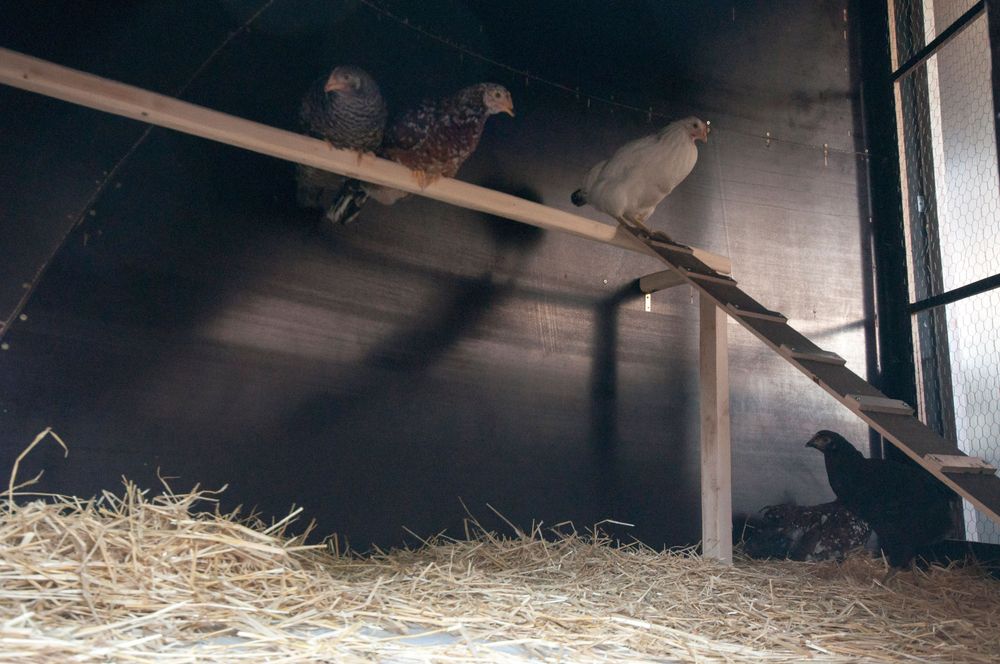
Hen House is conceived as a medium for engaging different generations, especially for the author of the henhouse and his grandmother who will initiate him to the principles of care of poultry. The object is designed as a luxury villa for hens as opposed to caged hen breeding and as a metaphor for the social differences of today’s society.
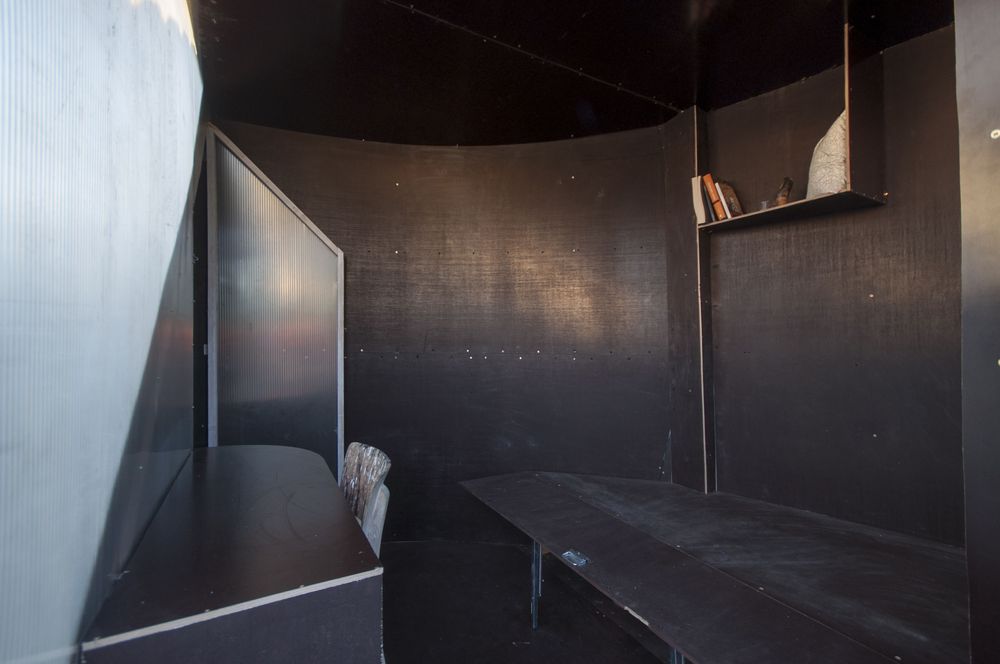
A quarter of the henhouse is used as a studio or residential place for the public, as an example of the earlier proportional distribution of the residential and farm part of the farmhouses. This simulation of past life at the village is transformed into contemporary architectural morphology, which should point out the dying farm tradition of the village and the coexistence of humans with farm animals.
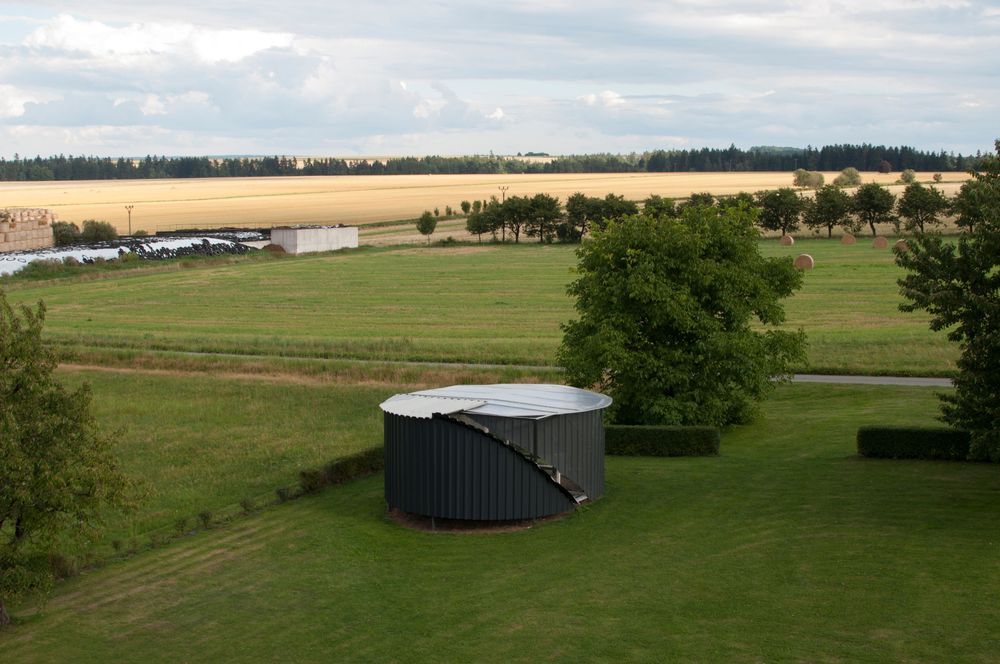
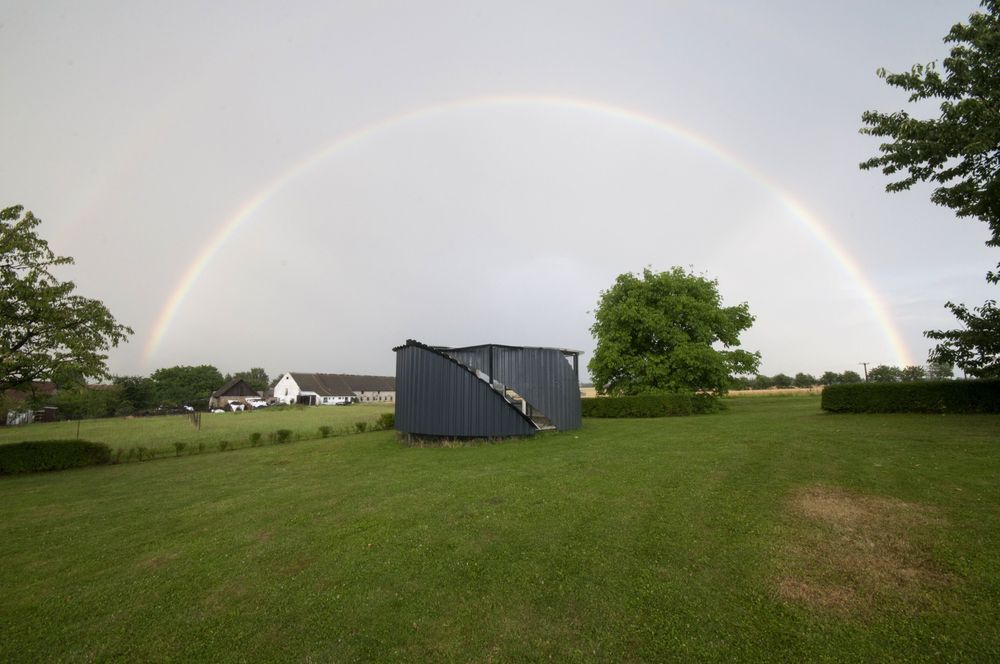
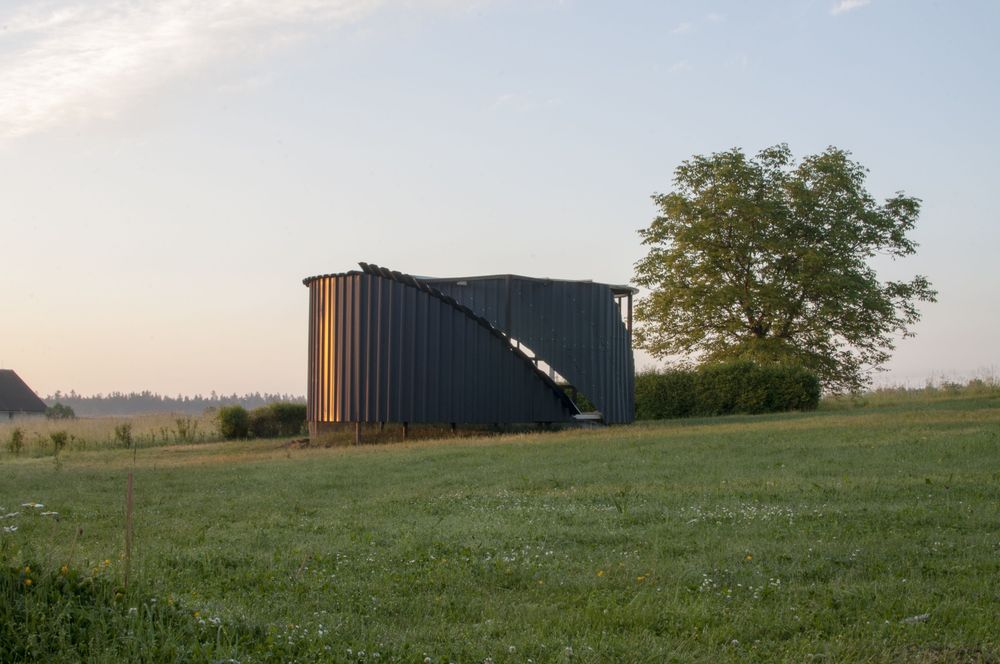
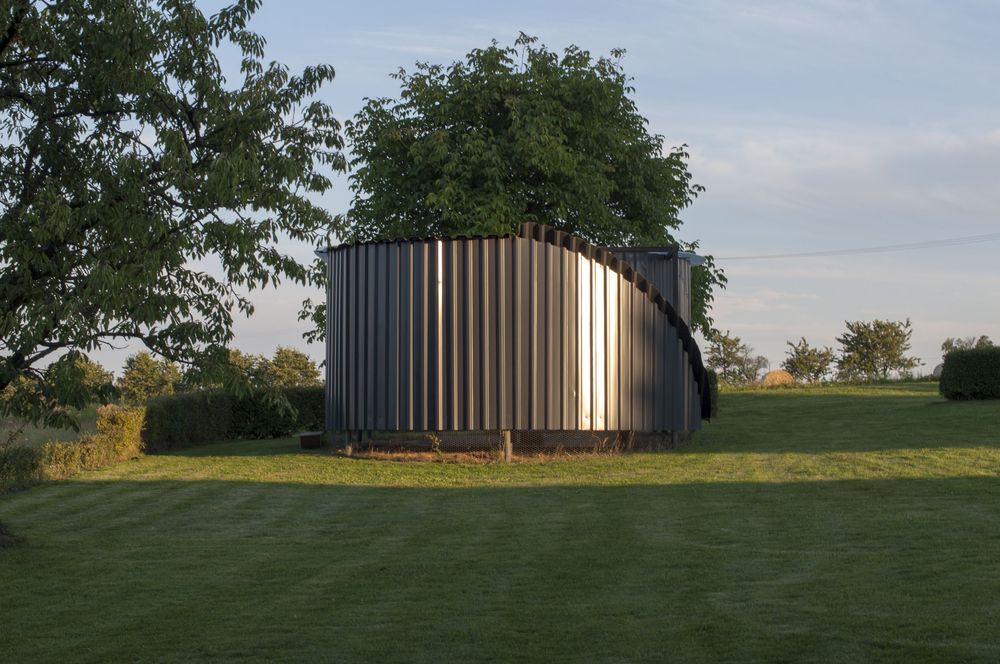
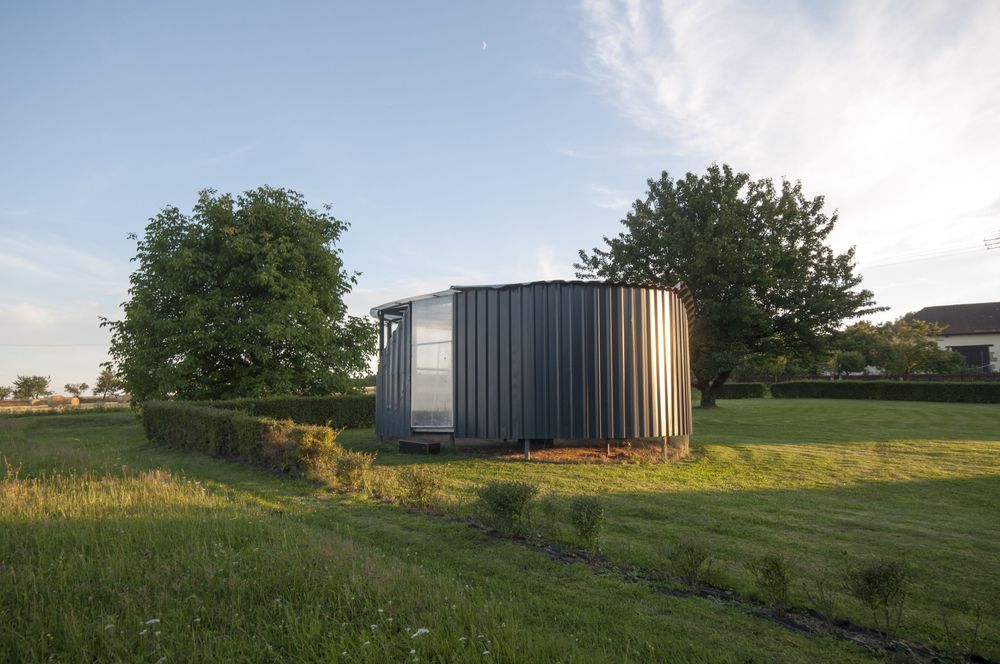
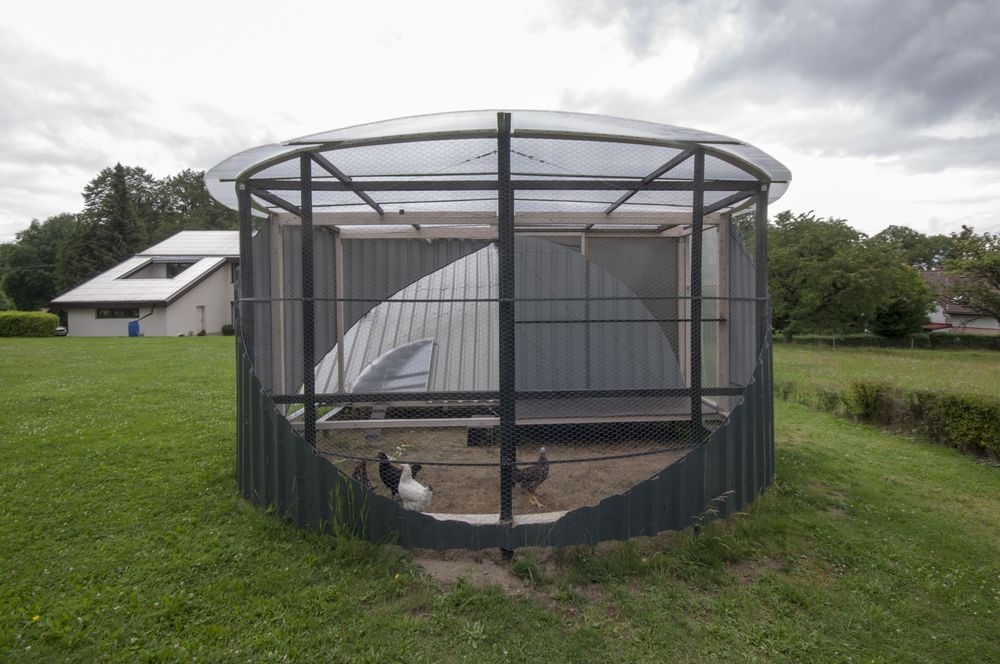
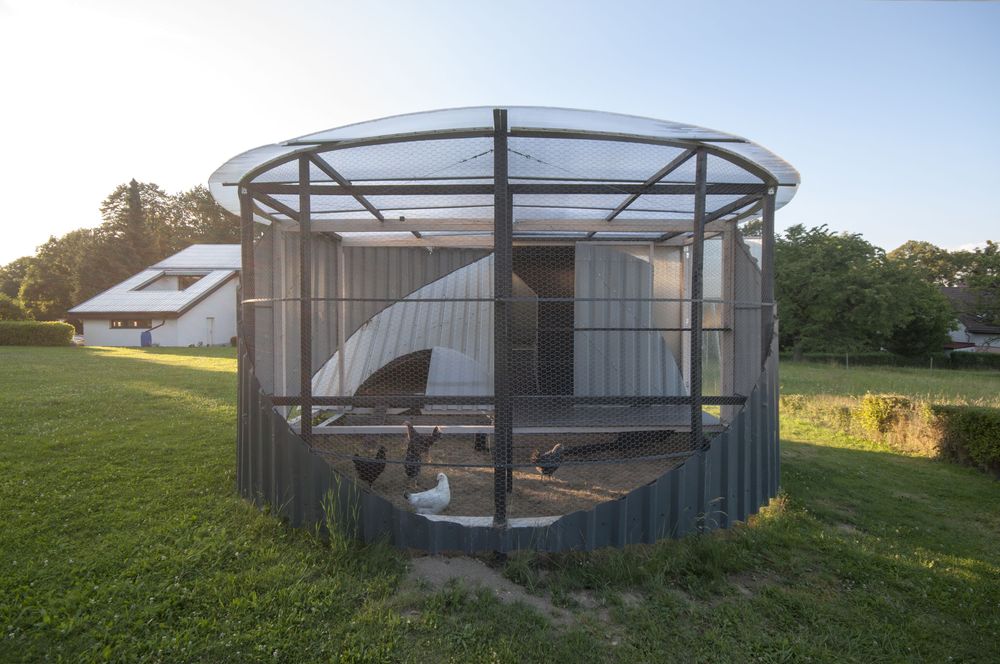
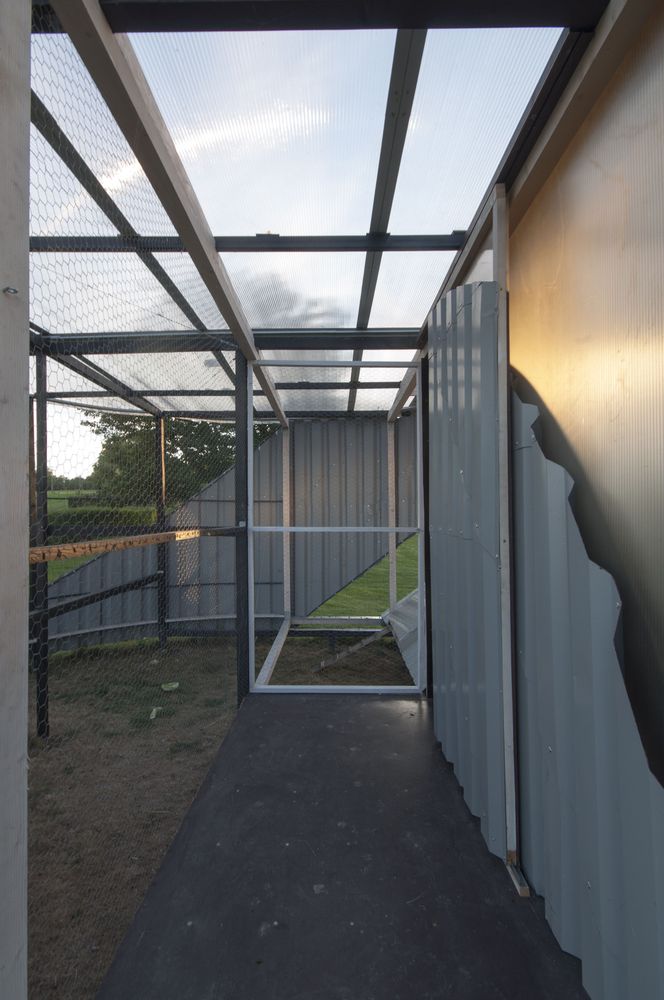
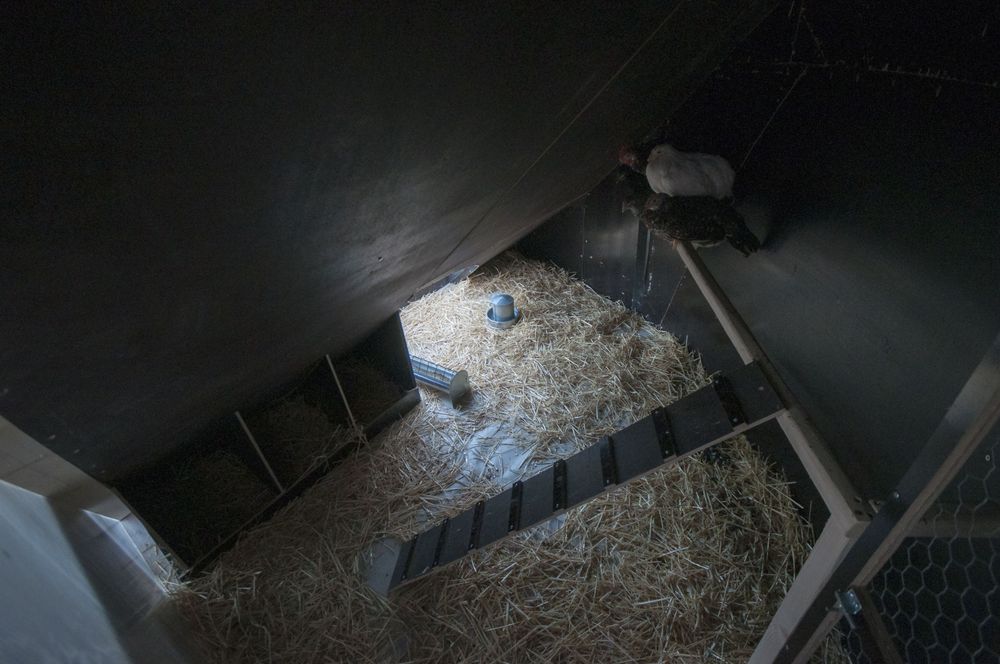
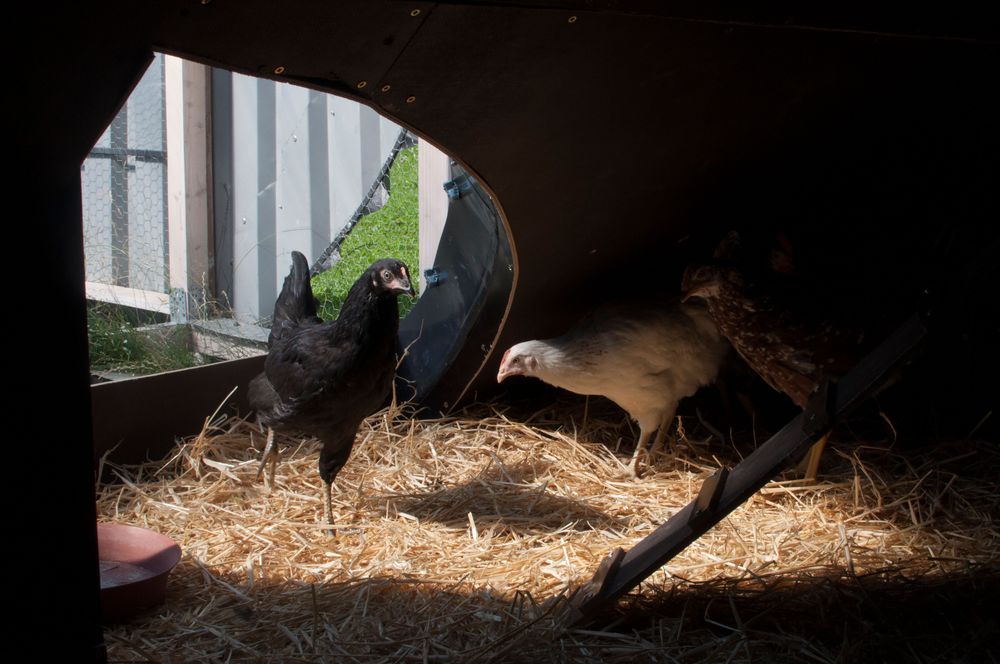
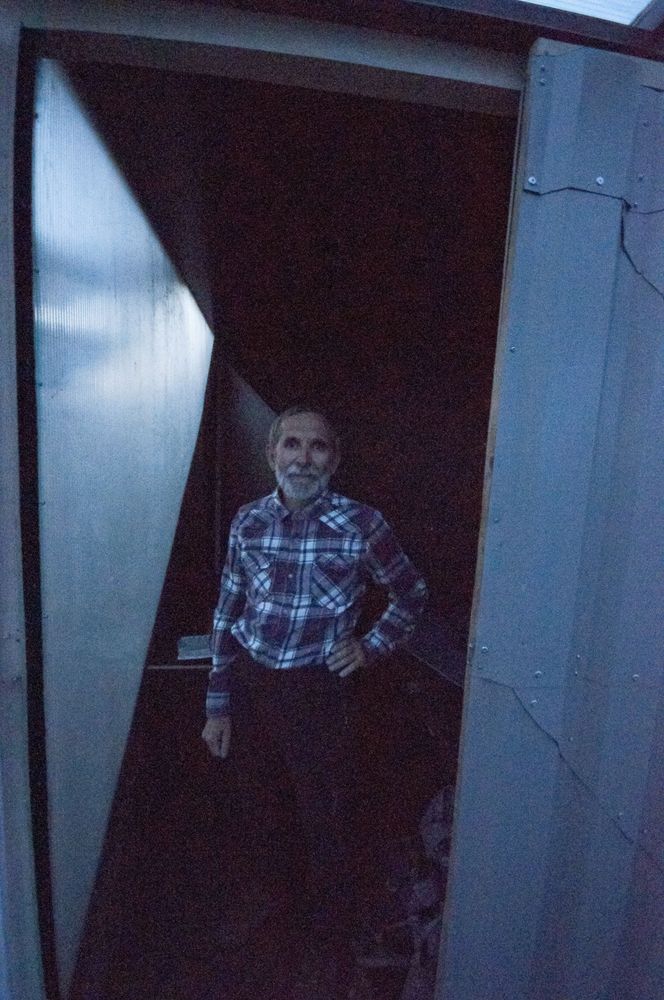
Hen House
serves ¾ for hens and ¼ for human beings. The habitable quarter of the Hen House is used as a living space and studio for the residents.